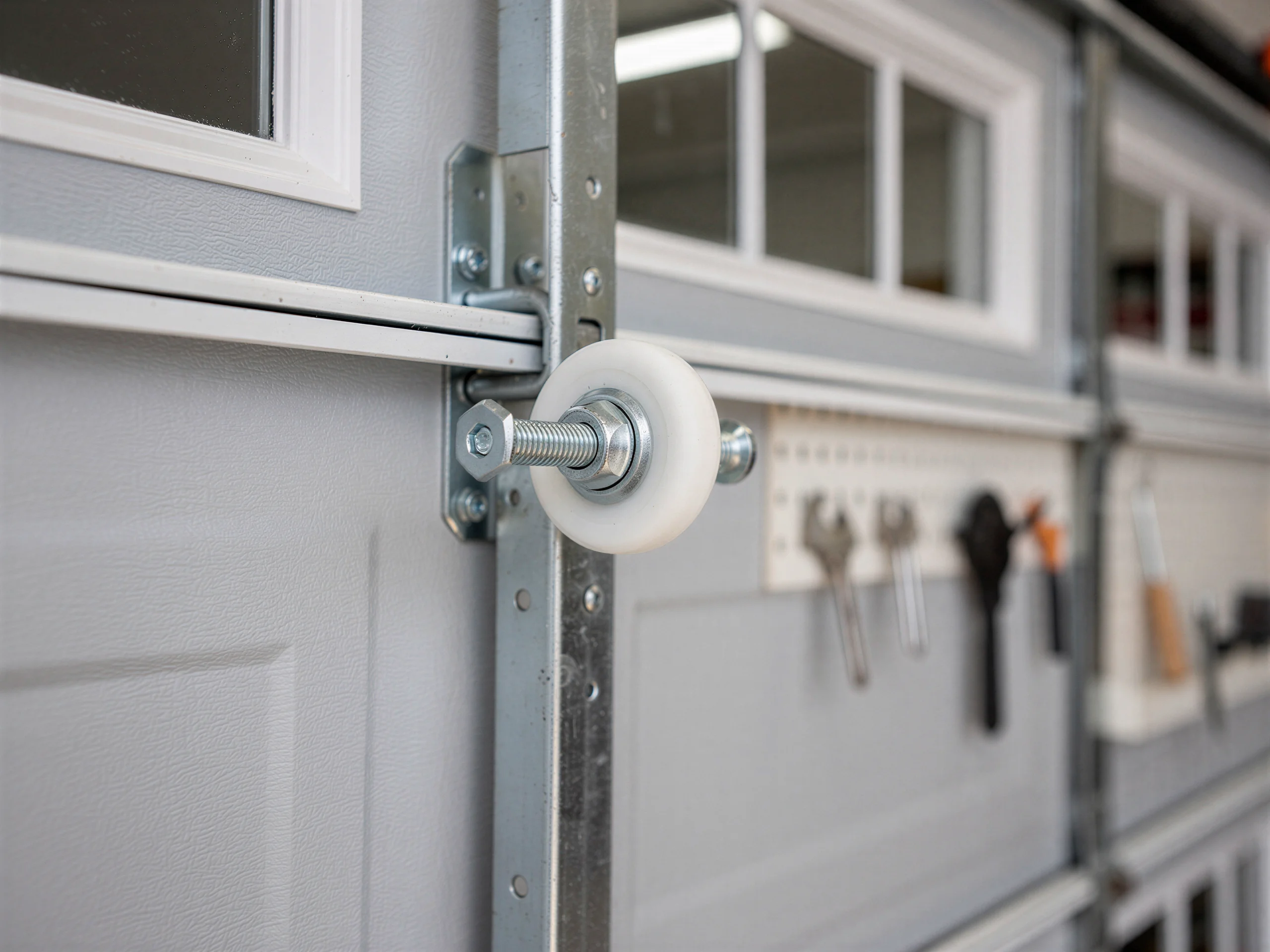
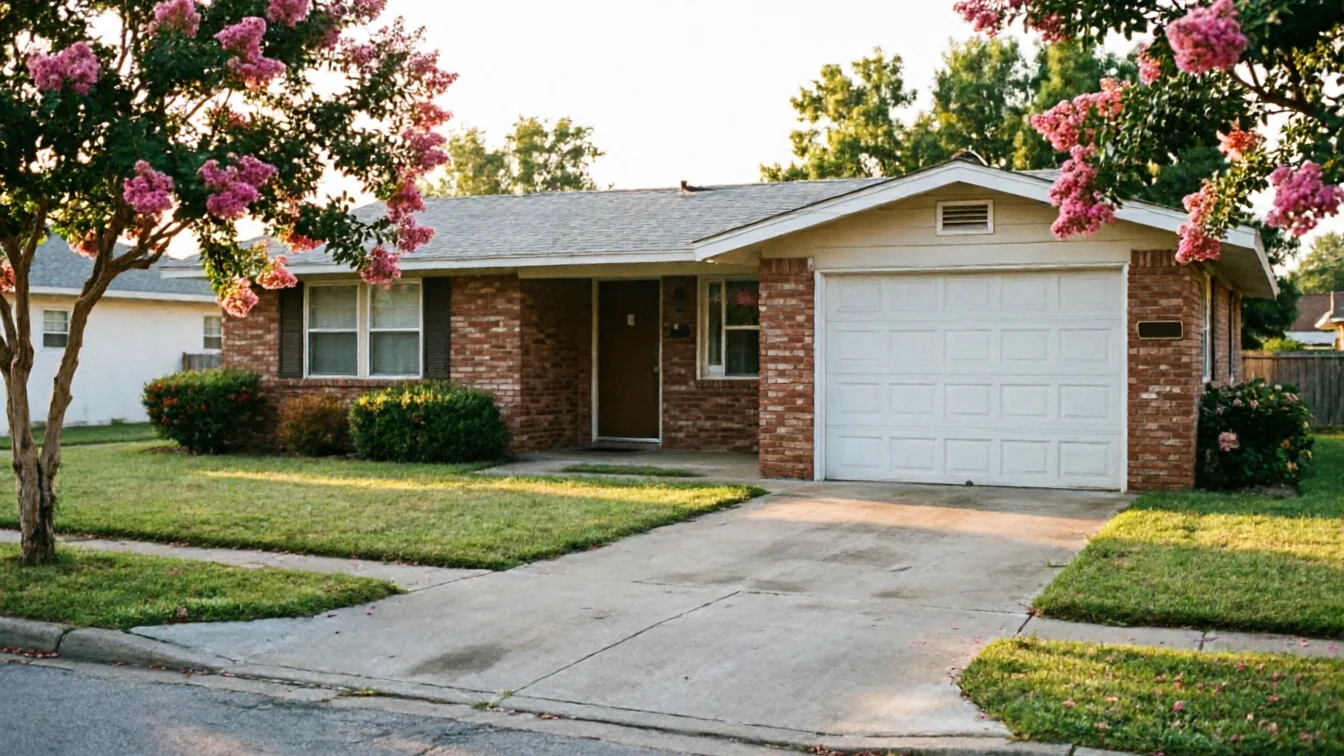
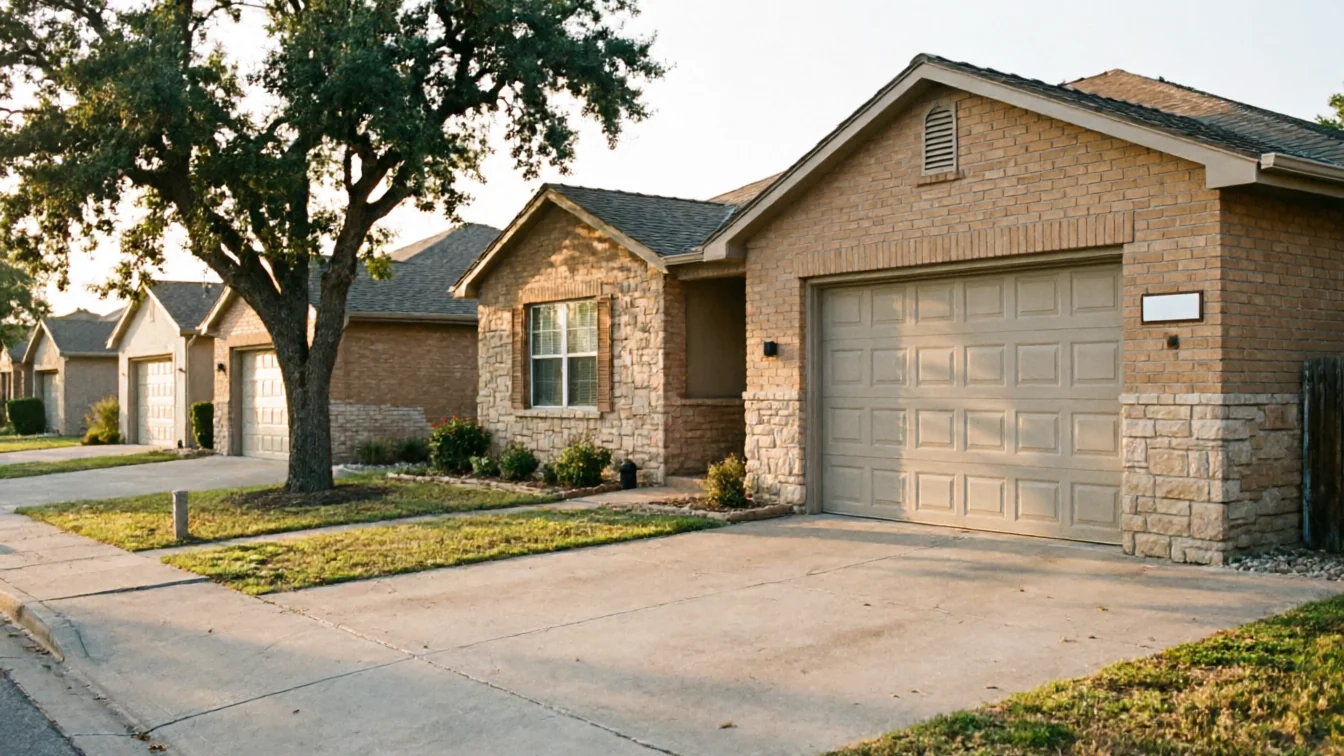
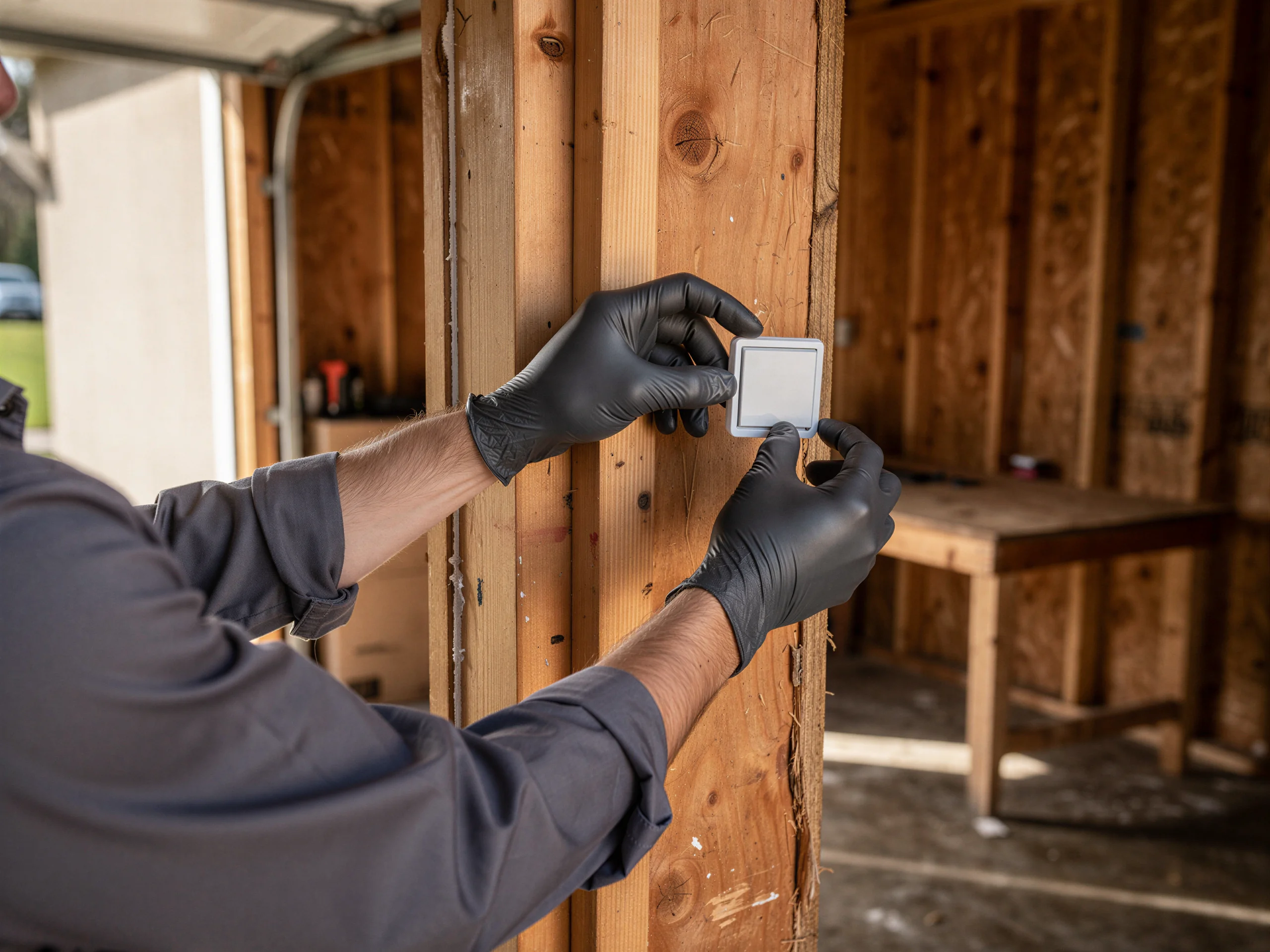
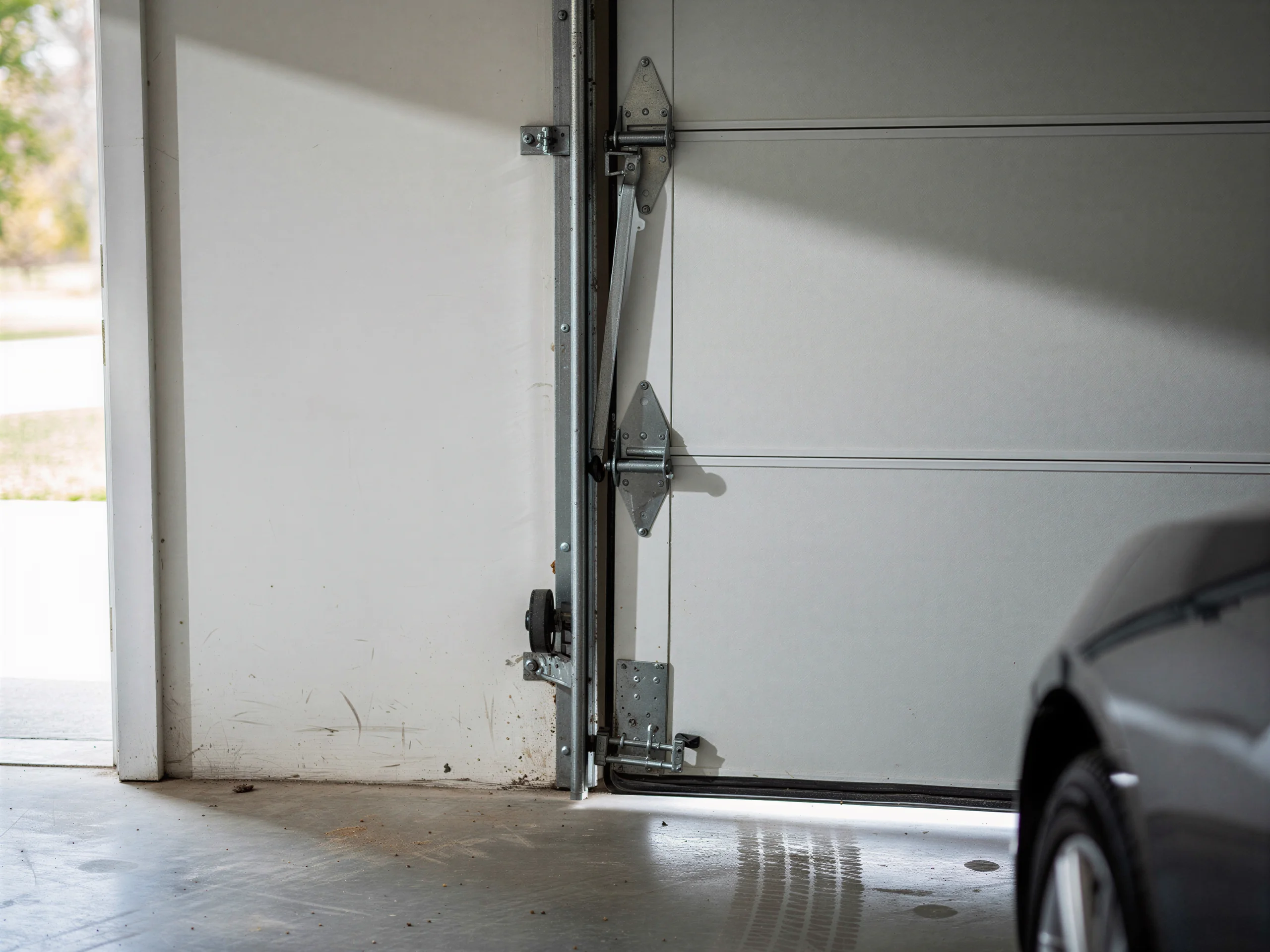
Most of the housing stock in this service area went up between 1975 and 2013, with the bulk of it dating to around 2000, and a lot of that building happened across the 17 named communities we cover, not just inside Terrell itself. That matters for rollers because builders in that stretch leaned heavily on plain nylon rollers with stamped steel stems - cheap to install at scale, fine for the first decade, then the bearing core starts to crack.
Our climate band sits in the mild range with occasional freeze nights. That swing doesn't sound dramatic compared to a true cold-weather market, but it's exactly the kind of cycling that dries out old nylon and lets moisture work into stem rust overnight. A door that's quiet in August starts grinding by February, and owners usually blame the opener before they ever look at the rollers.
We see the same pattern on 2000s-era tract construction across this whole area: original rollers, never replaced, now fifteen to twenty-five years old depending on when the subdivision went in. That's not a defect in any one house - it's just the age the stock has reached.